cal
REGISTER FOR CLASSES
Categories
Uncategorized

How Do Industrial Demolition Services Work From Site Assessment to Debris Removal?

Industrial demolition processes are conducted in a series of very well-regulated steps from conducting initial assessments and surveys for any potentially dangerous materials in the building up to the actual structural tearing down, disposal of the resulting debris and complete site cleanup. This particular order varies depending on the specific building being torn down and its location, but the entire procedure is always carefully organized in order not to endanger adjacent areas or cause any environmental damage.

Beginning With a Comprehensive Site Evaluation

Before any demolition equipment comes onto the job site, an experienced demolition company conducts an extensive site assessment. Unlike residential or light commercial projects, industrial buildings such as chemical plants, factories, power stations, and large warehouses have unique structures and require unique assessments.

The site assessment begins with analyzing load-bearing paths, damage present, and areas of the site where heavy equipment can gain access. Engineers assess how close the building is to neighboring buildings, roads, underground utility lines, and environmentally sensitive areas. As required under Federal OSHA guidelines and Cal/OSHA guidelines, an engineering survey must be conducted before any employees go to work on the job site. The engineers analyze all structural components of each floor and wall to prevent an unexpected building collapse, especially after fire, flood, or explosive damage.

Locating Hazardous Materials Prior to Demolition

Hazardous materials may be found in an industrial plant and require identification prior to mechanical destruction or crushing. The neglect of such hazards leads to the release of airborne particles or even contamination of nearby groundwater.

An environmental survey pinpoints what needs to be tested, contained, or abated:

  • Asbestos and lead: Often found in the insulation of thermal pipes, roofing, wall panels, and structural steel surfaces. Pre-demolition asbestos surveys, removal, transportation, and disposal are governed by California regulations.
  • Chemicals and heavy metals: Usually found in processing vats, sumps, and pipes in chemical or manufacturing facilities.
  • Fuel and oil: Stored in underground storage tanks (UST) or piping systems used for the power generation equipment.
  • Mold and biological growth: Present in water-damaged or abandoned commercial properties.

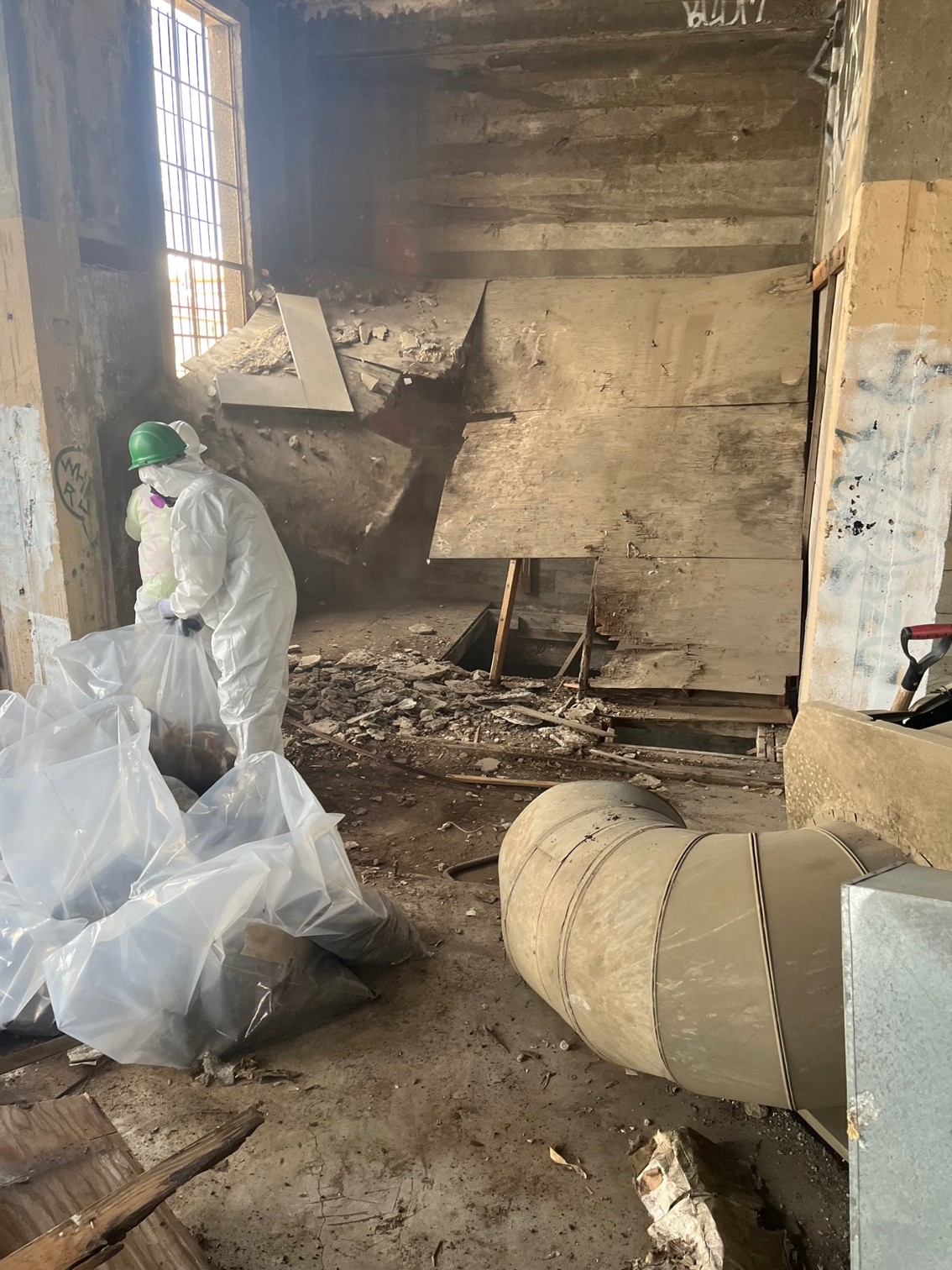
Integrated contractors perform all hazardous materials abatement within their organization so that hazardous materials are removed, contained, and documented before any demolition equipment arrives.

Demolition Plan Design

The process of turning site survey information into an effective demolition plan involves a number of coordinated efforts from a range of stakeholders including property managers, engineers, local municipalities, and safety officers.

Based on project sequencing, a decision will be made whether to demolish the entire structure or selectively deconstruct the interior parts. According to California Code of Regulations Title 8 §1735, all gas, electricity, water, steam, or other utility lines should be shut off, capped, or controlled outside of the building line prior to starting the project. However, in cases where utilities have to be left on during the project for safety or other reasons, they should be clearly marked and protected.

Other important steps in planning include the acquisition of necessary permits. In this regard, for instance, according to Cal/OSHA guidelines, DOSH permit should be obtained prior to the demolition of buildings or structures which exceed 36 feet in height.

Turning the Demolition Plan into Reality

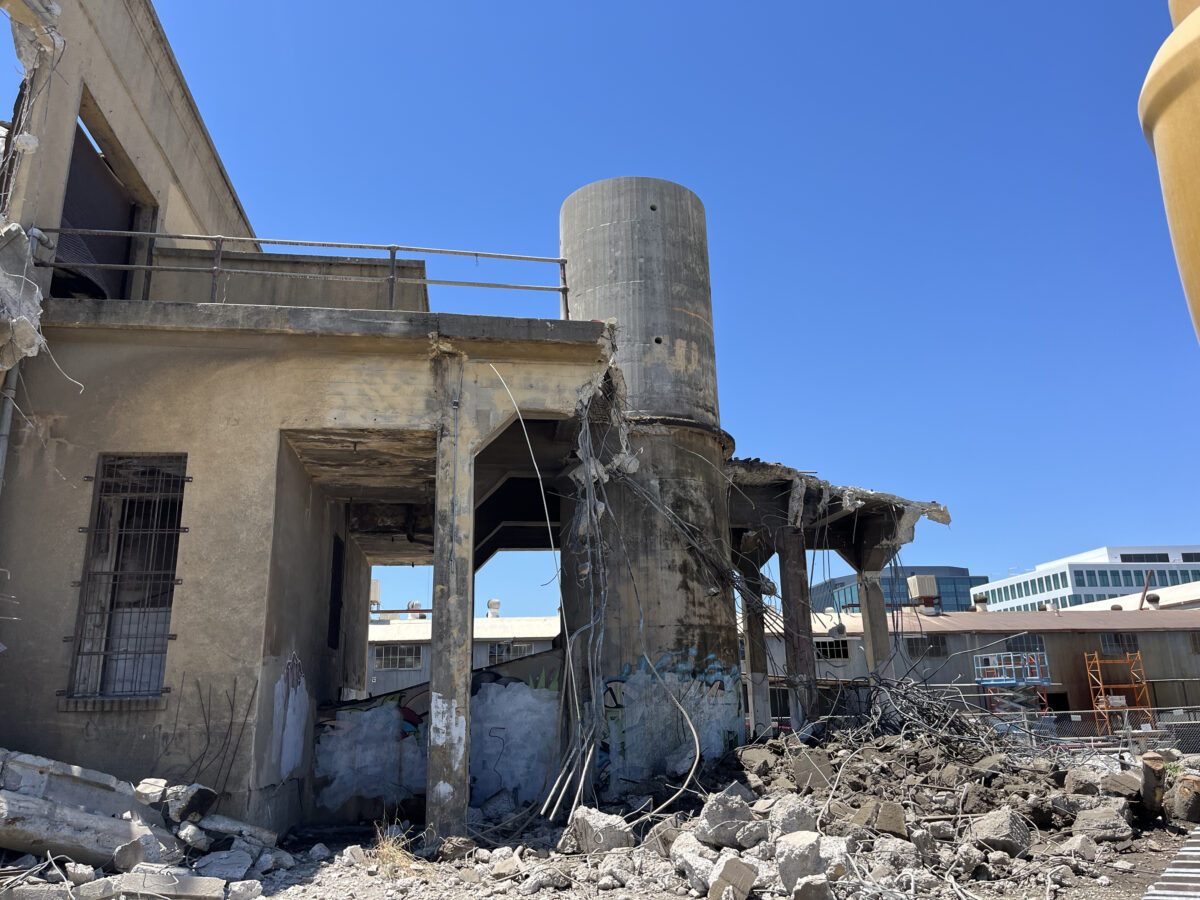
After obtaining the required permits and ensuring site isolation, dedicated teams perform the physical process of demolition using appropriate techniques based on the size and design of the structure. In most cases, selective demolition or soft-stripping of fixtures, non-load bearing walls, wiring, and mechanical pipework will precede the structural demolition process. This helps in separating reusable items from those that are not.

For structural demolition, the contractor utilizes state-of-the-art equipment to perform the work:

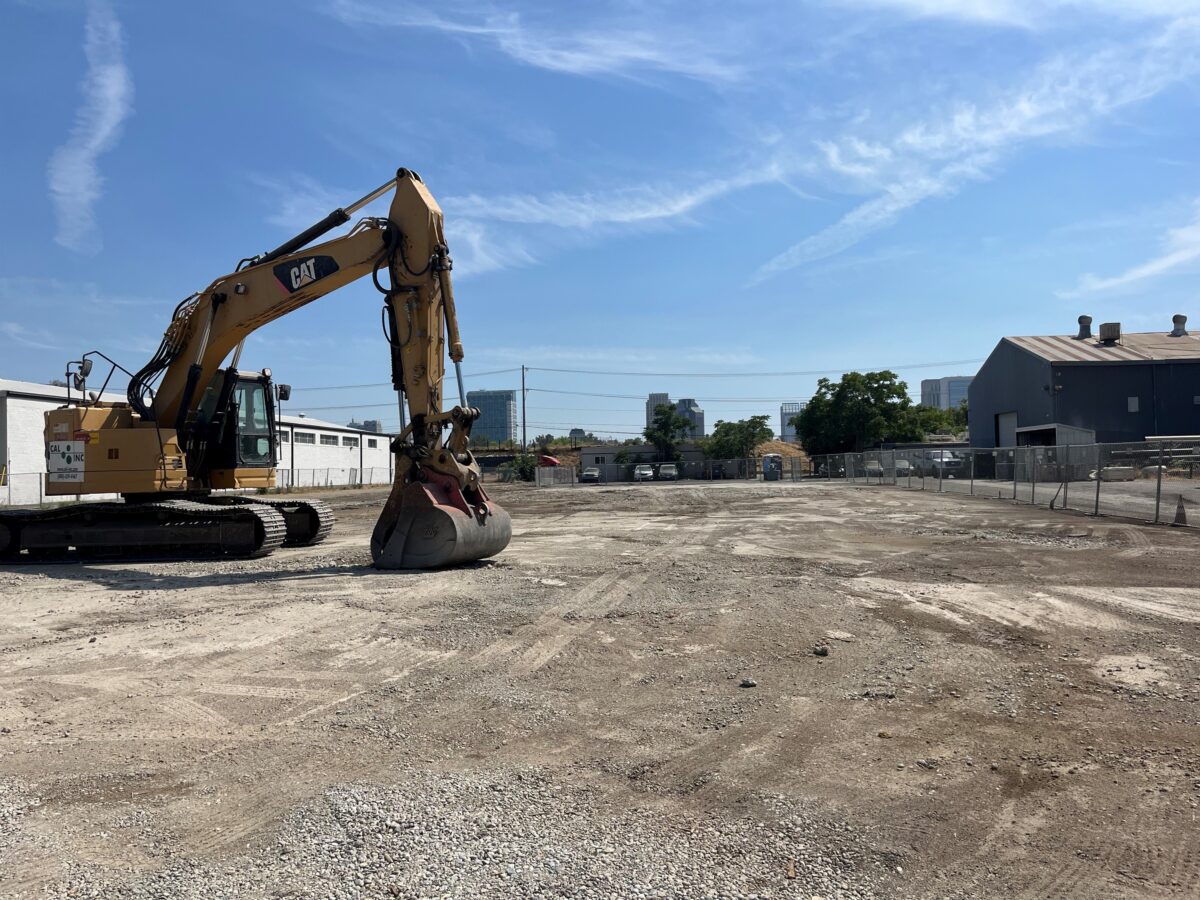
  • Excavators equipped with special attachments: High-reach excavators systematically demolish upper floors from above.
  • Hydraulic shear and crusher: These powerful shears cut through structural beams and pipe bridges, and the concrete is broken by the hydraulic crushers without generating unnecessary vibration of the ground.
  • Breakers and grapples: Used in the processing of rubble in trsansportation.

Sorting, Transport and Management of Demolition Wastes

Demolition by mechanical means produces many tons of material that have to be managed in an orderly fashion. Today’s construction sites operate as sorting stations to sort clean and recyclable material from hazardous wastes.

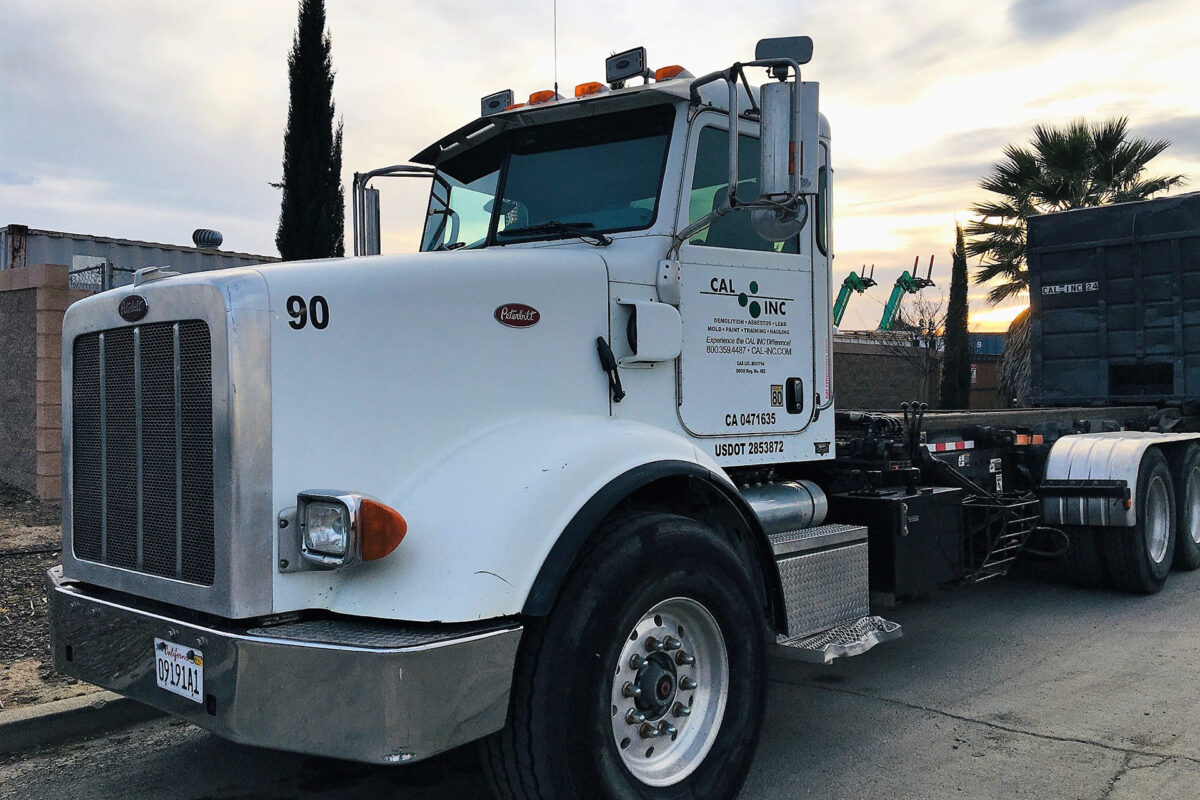
Concrete and masonry waste is crushed on-site to produce aggregate, which can then either be used on-site for backfill or elsewhere. Ferrous metal is separated using magnetic separators, while other metals such as copper and brass are manually sorted. Hazardous scrap is sent to processing facilities while non-recyclable structural waste is transported via dump trucks and rollover containers.

If there is post-disaster restoration work or contamination with hazardous materials, special debris cleanup services are responsible for handling them properly.

From Demolition Site to Usable Property

Demolition is only half the work. The process of restoring the property to the owner needs sub-surface clearance, soil tests, and excavation works.

Professional demolition companies do excavation of concrete slabs, deep foundations, grade beams, and utility vaults according to the requirements of future redevelopment. Environmentalists check the condition of the soil and water under the ground to make sure that there are no toxic substances left from past activities and construction materials.

Lastly, the company fills up the excavated sub-soil area, grades the site and compacts the soil to the required density standards. Transfer of the property means providing all necessary documents regarding recycling, landfilling, and clearance of the soil.

What Are the Factors That Could Impact Demolition Timing and Cost?

Each industrial facility will not provide the same work environment. There are some site-related factors that determine the timing and cost estimates:

  • Size and structural makeup: Reinforced concrete and structural steel need larger machines and longer processing time compared to light frame structures.
  • Degree of hazardous substances: Abatement of extensive asbestos insulation and contamination by chemicals means additional phases of preparation before the actual structural demolition work starts.
  • Accessibility and location: Conducting operations in a dense urban area or alongside industrial facilities means slow and controlled deconstruction to avoid excessive noise and vibration.
  • Permits and regulations: Timing of obtaining DOSH permits and air quality management might have an impact on timing.
  • Debris removal and salvaging: High price of scrap metal helps in covering project cost through salvaging, whereas complicated waste disposal leads to higher transportation costs.

Selecting a Demolition Contractor for Your Facility

It is important to select a company that has both extensive technical capabilities and a solid safety record.

When assessing prospective firms, use this list as guidance:

  • Licenses & Bonding: Determine whether or not a contractor is licensed by the state, like a California C-21 Demolition License, adequate bonding, and proper insurance coverage.
  • Safety Record: Assess the contractor’s safety record with regards to its Cal/OSHA and Experience Modification Rates (EMR) record.
  • Integrated Services: Firms that offer structural removal services along with their own hazardous material abatement, hauling and waste management services eliminate coordination problems and minimize liabilities.
  • Equipment & Fleet: Ensure that a firm utilizes specialized machinery, such as long reach excavators, hydraulic attachments, and other equipment suited to industrial applications.
  • Local Expertise: Select a company that has successfully managed industrial, chemical, assembly and power generation plants.

CAL INC, which provides comprehensive demolition and clean-up services for over 30 years, is a fully licensed and bonded California State C-21 Demolition Contractor.

Categories
Uncategorized

Commercial Demolition Permits and Safety Requirements in California

Demolition of commercial buildings usually needs the permission of the concerned local building department before starting the job, and other state and federal requirements depend on the project. California Contractors State License Board says that a permit is needed for the demolition of any building or structure, but the local requirement depends on the city or county where the project is being done.

Commercial property owners also need to consider Cal/OSHA demolition requirements, structural survey, utility control, hazard material inspection, asbestos requirements of Asbestos NESHAP, and many more.

Demolition Permits for Commercial Properties in California: What Permits Need to be Obtained First?

There is no one-size-fits-all permit for demolition projects across the state of California as per the California building code. According to California building codes, each building or structure requires a permit prior to its demolition, although the application requirements for each project vary depending on the applicable local jurisdiction.

Application of permits may vary depending on each project to include such things as:

  • Local building or demolition permit
  • Planning permission/review
  • Plans/Calculations
  • Coordination of utilities
  • Hazardous materials documentation
  • Asbestos documentation
  • Requirements related to specific demolition project

What is being demolished is also a factor as the type of demolition, whether full structural demolition, partial demolition, interior or soft demolition or demolition associated with renovation will also affect what permits will be needed.

Local Permits Can Change From One California City to Another

Local criteria can differ significantly. For example, in Oakland, it states that demolition will require Planning approval and a Building Permit prior to commencing the demolition. In addition, its criteria are differentiating projects that involve demolition of more than half of a structure’s exterior walls and certain interior or soft-demolition projects.

This demonstrates the reason why a demolition project in California cannot be based on the general statewide checklist. In other words, a demolition project in Oakland, Sacramento, Vacaville, or other parts of California may involve various criteria, applications, reviews, etc.

Prior to scheduling the demolition, the project management should verify the following information:

  1. Which local authority issues the demolition or building permit.
  2. If Planning approval or some other kind of review is necessary.
  3. If the scope falls into the category of full, partial, structural or interior demolition.
  4. The required structural plans, calculations and other documents.
  5. The utility disconnection procedure.
  6. Whether there are any local environmental or hazardous material criteria involved.

By doing this early in the process, all parties involved in the project will get an idea about what should be done before mobilization.

Cal/OSHA Requirements Pertinent to Your Demolition Project

The need for local approval for the demolition project is just one component of compliance with commercial demolition rules. There are additional Cal/OSHA requirements that must be followed regarding demolition and worker safety by employers in California.

First, a Cal/OSHA permit is necessary for the demolition or dismantling of any structure or building that exceeds 36 feet in height. The annual permits may also be necessary in circumstances where employers other than the project administrator directly engage in specific permit required operations.

It should be mentioned that safety considerations go further than whether your demolition project requires a Cal/OSHA permit. You have to make sure that the demolition is conducted under the direction of qualified individuals and that you conduct an assessment and control hazards.

Main safety considerations are:

  • Structural stability and potential collapse
  • Falling materials and objects
  • Access and falling hazards for workers
  • Operating areas for equipment
  • Utility hazards
  • Dust and airborne contaminants
  • Hazardous materials
  • Stability of floors, walls, and adjacent structures
  • Demolition debris removal

A site-specific safety plan needs to be developed based on your actual building and its demolition method.

What safety survey needs to be performed prior to commercial demolition?

Before employees undertake any demolition activities, a competent individual should perform the survey on the structure in order to assess the condition of the structure, floors, and walls and also consider whether an unexpected collapse can occur. Any other adjacent structures that would expose the employees must also be considered. The survey required under California Title 8 §1734 must be documented, kept on-site, and retained during the course of demolition.

The survey is essential because the demolition activities may quickly affect the structural conditions. Deficiencies identified must be corrected prior to undertaking any demolition activities.

Under Title 8 §1735, utilities must also be shut off, capped, or otherwise secured prior to demolition, except in some specified instances. Should the electricity and water supply need to remain on, then utilities should be properly relocated or safeguarded.

This requirement also requires the employer to establish whether hazardous chemicals, gases, explosives, flammables, or other hazardous materials were used within pipes, tanks, and equipment. In case the presence of hazards exists, testing, purging, and the removal of hazards is necessary prior to carrying out any demolitions.

Steps for Preparing a Commercial Property for Demolition

A standard demolition preparation process normally includes the following steps:

  1. Inspect the property.

Inspect the building, the condition of the building structure, neighboring buildings, past usage of the property and the planned demolition project scope.

  1. Get the needed permits.

Contact the relevant departments that handle building and planning matters and check what kind of permits and necessary documentation you will need.

  1. Conduct a structural inspection.

An expert needs to inspect the frames, floors, walls, nearby buildings, and any potential dangers of collapsing.

  1. Determine the location of utilities and hazardous substances.

Utilities disconnections must be arranged and investigation of any chemicals, gases, fuel, asbestos, lead or any other substance done.

  1. Take care of all notifications and compliance issues.

Where applicable, get Cal/OSHA, asbestos NESHAP, air-quality, environmental and local issues sorted out before mobilizing.

  1. Prepare the site.

Create safe work zones, make arrangements for equipment and worker safety, dust control, debris management, and other site-specific safety measures.

  1. Arrange for demolition and waste disposal.

The demolition contractor should be familiar with the approved demolition scope, the demolition sequence and the destination for regulated and non-regulated debris.

Safety Hazards Associated with Commercial Demolition

Commercial demolition may put workers, surrounding buildings, and people at risk for a variety of reasons. One such hazard is structural instability, which arises when walls, floors, machinery, or any other component is stripped away, altering the load paths.

Other safety hazards in this type of work include falling objects, weakened structure, dust, dangerous substances, electrical lines, moving equipment, and unstable adjacent buildings. The state of California’s laws pertaining to commercial demolition require ongoing inspections during the process in order to detect and correct hazards created by weakened or deteriorated floors, walls, and loose materials.

Controlling dust is another significant concern especially when demolition is conducted on contaminated or asbestos-filled buildings. Proper measures should be selected depending on the substance and demolition technique.

What Factors Should You Consider in Selecting a Commercial Demolition Contractor?

California commercial property owners shouldn't only look at price factors when selecting a demolition contractor. Some important factors that you need to consider are the contractor's license in California, any DOSH qualifications, the contractor's experience with the building to be demolished, safety policies, hazardous materials ability, and how they handle the disposal of debris.

Another factor would be determining if the contractor can coordinate demolition with other abatement or remediation services when included in the scope of work.

CAL INC's licenses include California Contractor License No. 657754, which includes the C-21 classification, and DOSH License No. 482.

Role of CAL INC in Coordinating Complex Demolition Projects

CAL INC performs building, interior or soft, industrial and DOSH demolition and says its expertise lies in the completion of full demolition projects. In addition to that, it offers expertise in asbestos, lead, mold and hazardous material abatement and remediation and hazardous hauling and disposal.

CAL INC was established in 1979 and is licensed by the state of California as well as for DOSH and, hence, when coordination is needed between demolition and hazardous materials projects, having all these capabilities in one contractor is beneficial.

Learn more about CAL INC's Demolition Services,Licenses and Certifications, andFire Damage and Debris Cleanup Services.

Categories
Uncategorized

Complete Guide to Professional Debris Clean Up Services for Construction and Disaster Sites

Professional debris clean-up services ensure safe, efficient removal of waste from construction and disaster sites using specialized equipment, trained crews, and regulated processes. These services minimize hazards, improve site readiness, and support environmental compliance across residential, commercial, and industrial projects.

What Are Professional Debris Clean-Up Services?

Professional debris removal involves the safe collection, transport, and disposal of waste materials generated from construction, demolition, natural disasters, and industrial operations. These services are designed to handle everything from light materials like wood and drywall to hazardous substances requiring strict regulatory compliance.

Key facts:

  • Construction projects generate 2.2 billion tons of debris globally each year
  • Improper waste handling increases workplace accidents by up to 30%
  • Professional cleanup reduces project delays by 20–35%

These services are not just about clearing waste—they are critical for safety, compliance, and operational efficiency.

What Types of Debris Clean Up Services Are Available?

Below are a few types of debris clean up services:

A. Construction Site Debris Removal

Construction debris cleanup focuses on clearing materials like concrete, metal, wood, and packaging waste from active or completed job sites.

Typical materials handled include:

  • Concrete and asphalt
  • Lumber and drywall
  • Roofing materials
  • Scrap metal

Efficient construction debris cleanup ensures:

  • Faster project turnover
  • Safer working conditions
  • Compliance with local regulations

B. Disaster and Fire Damage Cleanup

Natural disasters and fires leave behind dangerous debris that requires immediate and specialized attention.

Services include:

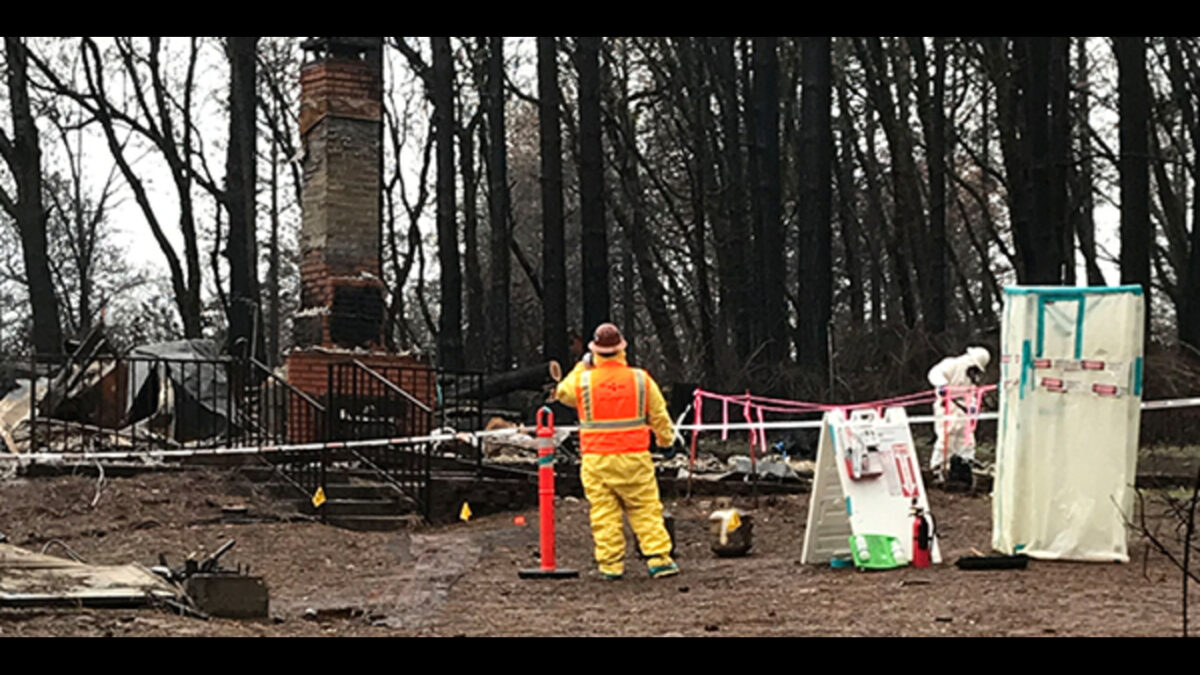
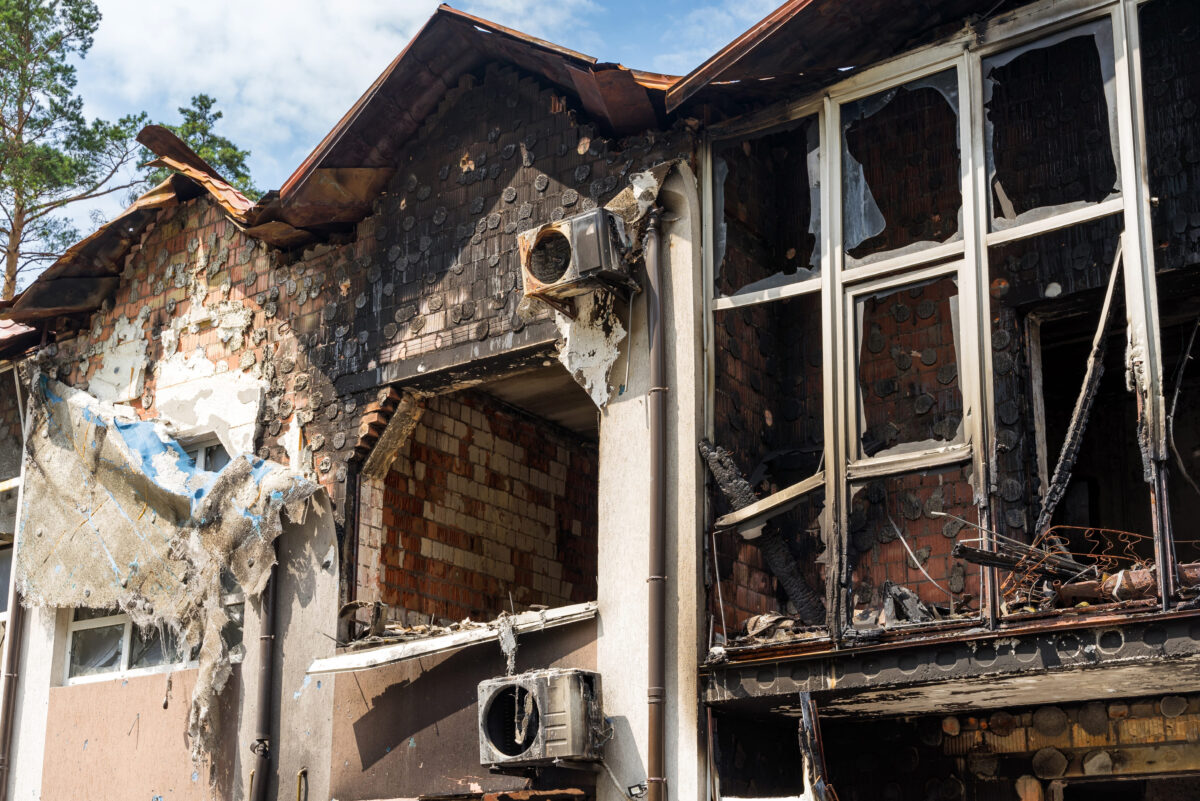
  • Fire damage debris cleanup involving charred materials and toxic residue
  • Flood debris removal to eliminate water-damaged structures and prevent mold
  • Storm debris removal services for fallen trees, roofing, and structural fragments

Important statistic: Mold can begin forming within 24–48 hours after flooding, making rapid cleanup essential.

C. Hazardous Material Removal

Hazardous debris includes materials that pose health or environmental risks, such as:

  • Asbestos
  • Lead-based paint
  • Chemical waste

Professional crews follow strict OSHA and EPA guidelines to ensure:

  • Safe containment
  • Proper disposal
  • Legal compliance

D. Industrial and Environmental Cleanup

Industrial cleanup addresses large-scale waste from factories, warehouses, and environmental sites.

Services may involve:

  • Chemical spill cleanup
  • Soil contamination removal
  • Heavy equipment waste handling

These projects often require advanced machinery and trained specialists due to their complexity.

Key Components of Professional Debris Cleanup

A successful cleanup operation involves several critical elements:

  • Site Assessment: Identifying debris types and potential hazards
  • Segregation: Separating recyclable, hazardous, and general waste
  • Removal Equipment: Use of loaders, dumpsters, and hauling trucks
  • Disposal Compliance: Adhering to local and federal regulations
  • Safety Protocols: Personal protective equipment (PPE) and risk management

Each component ensures efficiency while minimizing environmental impact.

Why Are Professional Services Essential for Debris Removal?

Handling debris without professional support can lead to serious risks.

Benefits of hiring experts:

  • Reduces injury risks by up to 40%
  • Ensures compliance with environmental laws
  • Speeds up project timelines
  • Prevents costly fines and penalties

Professional commercial and residential debris clean-up removal services are particularly valuable for projects requiring both scale and precision, ensuring all waste is managed responsibly.

Step-by-Step Debris Cleanup Process

Understanding our debris cleanup process helps set clear expectations and ensures complete transparency from start to finish.

How Our Process Works:

  • Initial Inspection: Evaluate site conditions and debris volume
  • Planning and Permits: Secure necessary permits and disposal plans
  • Sorting and Segregation: Separate recyclable and hazardous materials
  • Removal and Hauling: Transport debris using specialized vehicles
  • Disposal and Recycling: Dispose of at approved facilities or recycling centers
  • Final Site Inspection: Ensure the site is clean, safe, and compliant

This structured approach ensures efficiency and accountability at every stage.

Which Industries Benefit Most from Debris Clean-Up Services?

Many sectors rely on professional cleanup to maintain safety and efficiency.

Industries include:

  • Construction and real estate development
  • Disaster recovery and emergency services
  • Manufacturing and industrial operations
  • Municipal and public works departments

Demolition debris removal is especially critical in redevelopment projects where large volumes of structural waste must be cleared quickly and safely.

How Do You Choose the Right Debris Clean-Up Company?

Selecting the right provider directly impacts project success.

Key Factors to Consider:

  • Experience: Look for companies with proven track records
  • Certifications: OSHA, EPA, and local compliance credentials
  • Equipment: Availability of modern and specialized tools
  • Response Time: Especially critical for disaster cleanup
  • Service Range: Ability to handle residential, commercial, and industrial needs

Building debris removal requires expertise in handling heavy materials, so choosing a qualified team is essential.

What Role Does Sustainability Play in Debris Cleanup?

Sustainable practices are becoming a major priority in debris management.

Environmentally Responsible Practices:

  • Recycling up to 70–90% of construction waste
  • Reducing landfill dependency
  • Using eco-friendly disposal methods
  • Minimizing carbon emissions during transport

Companies that prioritize sustainability not only protect the environment but also help clients meet green building standards.

Why Is Choosing the Right Service Provider So Important?

The right service provider ensures:

  • Compliance with local regulations
  • Reduced environmental impact
  • Faster project completion
  • Improved safety outcomes

Storm debris removal services, for example, require rapid response and proper equipment to prevent further damage and restore normalcy quickly.

Similarly, fire damage, debris cleanup, and flood debris removal demand specialized handling to eliminate health risks and prevent long-term structural issues.

Serving Communities with Reliable Debris Cleanup Solutions

Debris cleanup is not just about removing waste—it’s about restoring safety, functionality, and peace of mind. Whether it’s a construction site, disaster recovery effort, or industrial cleanup project, professional services provide the expertise and efficiency needed to handle complex challenges.

CAL INC provides comprehensive debris cleanup services that meet the highest industry standards. Serving Vacaville, Sacramento, Oakland, and communities across Northern and Central California, we deliver reliable, precise, and environmentally responsible solutions for every project. Count on us for professional support tailored to your specific needs.

FAQs

How long does debris clean up take?

The timeline depends on the size of the project, type of debris, and accessibility. Small jobs may take a few hours, while large construction or disaster sites may take several days.

What types of debris does CAL INC handle?

CAL INC handles construction debris, fire damage waste, hazardous materials, soil contamination, and general site cleanup materials.

Do you provide debris clean up services after natural disasters?

Yes, services include cleanup after wildfires, floods, storms, and other natural disasters across Vacaville, Sacramento, and Oakland.

Is hazardous material removal included in debris cleanup?

Yes, trained teams safely handle hazardous waste such as asbestos, lead, mold, and contaminated soil following strict regulations.

How quickly can CAL INC respond to a cleanup request?

Response time depends on project size and location, but emergency and priority cleanup services are available.

Do you offer construction site cleanup services?

Yes, CAL INC provides full construction debris removal to keep job sites safe, organized, and compliant.

What areas do you serve?

CAL INC serves Vacaville, Sacramento, and Oakland, California, along with surrounding regions.

Is debris recycled or disposed of responsibly?

Yes, materials are sorted for recycling whenever possible, and all disposal follows environmental and regulatory standards.

Do I need permits for debris removal services?

In some cases, permits may be required. CAL INC ensures compliance with all local, state, and environmental regulations.

How do I request a quote for debris clean up services?

You can contact CAL INC directly through their website or phone to request a site evaluation and customized quote.

Categories
Uncategorized

The Importance of Lead and Asbestos Testing Before Demolition Services in Oakland, CA

Before starting demolition services in Oakland, CA, property owners should schedule lead and asbestos testing to identify hazardous materials before walls, flooring, ceilings, pipes, or roofing are disturbed. Testing helps protect workers, nearby occupants, the public, and the project budget while supporting California safety, environmental, and disposal requirements.

Demolition is not only about removing a structure. It is also about understanding what may be inside the structure before work begins. Many older buildings contain materials that were commonly used decades ago but are now considered dangerous when damaged or released into the air. A safe demolition plan begins with proper inspection, sampling, reporting, and hazard control.

Understanding the Hidden Dangers in Older Oakland Buildings

Oakland has many older homes, apartment buildings, warehouses, schools, offices, and commercial properties. Buildings constructed before the late 1970s may contain lead-based paint, while buildings from several decades may include asbestos-containing materials in insulation, flooring, ceilings, adhesives, roofing, pipe wrap, ductwork, and wall systems.

Lead and asbestos are especially dangerous because they may not be obvious during a basic visual inspection. A painted wall, old floor tile, textured ceiling, or insulated pipe may look ordinary until demolition equipment breaks it apart. Once disturbed, hazardous particles can spread through dust, debris, air movement, clothing, tools, and waste containers.

Lead exposure can affect the nervous system, kidneys, blood, and development in children. Asbestos exposure is linked to serious lung diseases, including asbestosis, lung cancer, and mesothelioma. These risks make hazardous materials testing an important first step before any major structural removal.

Why Lead and Asbestos Testing Must Be Conducted Before Demolition

Lead and asbestos testing must be completed before demolition because demolition creates dust, debris, vibration, and material breakage. A hazard that is contained inside a wall or ceiling can become airborne when crews begin cutting, grinding, scraping, crushing, or hauling building materials.

Testing helps answer important project questions before demolition starts:

  • Does the building contain asbestos-containing materials?
  • Are painted surfaces coated with lead-based paint?
  • Which materials must be removed before demolition?
  • What personal protective equipment may be required?
  • How should hazardous waste be separated and disposed of?
  • Are special notifications, abatement steps, or work controls needed?

Without testing, a project can face work stoppages, failed inspections, contamination concerns, liability issues, and expensive cleanup. Proper environmental testing allows owners and contractors to make decisions based on facts instead of assumptions.

California and Oakland Regulatory Requirements for Hazardous Material Testing

California demolition projects must follow strict safety and environmental expectations. In the Bay Area, demolition work commonly requires asbestos-related review and notification before demolition begins. Many demolition projects must be reported before work starts, even when asbestos is not expected to be present.

California workplace safety rules also require employers and building owners to identify asbestos-containing materials or presumed asbestos-containing materials before work begins. Lead-related construction activities, including demolition, renovation, repair, and surface disturbance, are also regulated because workers can be exposed to hazardous lead dust.

For Oakland demolition projects, compliance may involve several layers of responsibility:

  • Local permit requirements
  • Bay Area air quality rules
  • Cal/OSHA worker safety standards
  • California hazardous waste disposal rules
  • Proper abatement documentation
  • Laboratory-backed inspection reports

These requirements are one reason professional asbestos inspection and lead sampling should be scheduled early. Waiting until demolition is ready to begin can create avoidable delays.

The Lead and Asbestos Testing Process Before Demolition

A professional testing process follows an organized sequence to identify hazardous materials before demolition begins.

  1. Project review: The testing team reviews the building age, demolition scope, prior renovation history, structure type, and areas that will be disturbed.
  2. Site inspection: A qualified professional inspects suspect materials such as flooring, ceiling texture, drywall compound, pipe insulation, roofing, adhesives, siding, coatings, and mechanical systems.
  3. Sample collection: Representative material samples are collected carefully using proper procedures. Lead testing may involve paint chip samples, dust samples, or other approved methods depending on the project.
  4. Laboratory analysis: Samples are submitted to a qualified laboratory to confirm whether asbestos or lead is present and at what level.
  5. Written reporting: The final report documents sample locations, tested materials, laboratory results, findings, and recommendations for the demolition team.
  6. Project planning: The results guide abatement, containment, worker protection, disposal, scheduling, and regulatory compliance before demolition begins.

This process helps create a safer path for residential and commercial demolition projects.

How Proper Testing Protects Your Demolition Project

Proper testing protects a demolition project by reducing unknown conditions before work begins. When hazardous materials are identified early, the project team can plan removal, containment, waste handling, and sequencing in a controlled way.

Testing can also help protect the project budget. Emergency abatement, contaminated debris removal, air monitoring, and project shutdowns can cost far more when hazardous materials are discovered after demolition has already started. Early testing helps owners plan realistic costs and timelines.

Proper testing also protects people. Workers need to know what materials they are disturbing. Neighbors, tenants, pedestrians, and nearby businesses also benefit when dust and debris are managed responsibly. A demolition project that begins with hazardous materials testing is safer, cleaner, and easier to control.

The Role of Environmental Site Assessments Before Demolition

Environmental site assessments can provide a broader view of property risks before demolition. While lead and asbestos testing focuses on building materials, environmental site assessments may review historical property use, possible soil contamination, underground tanks, chemical storage, petroleum concerns, and other environmental conditions.

This step is especially important for older commercial, industrial, automotive, manufacturing, and mixed-use properties. A former shop, warehouse, gas station, dry cleaner, or industrial facility may have environmental concerns that affect demolition planning, excavation, disposal, and redevelopment.

A site assessment can help identify recognized environmental conditions before major work begins. When combined with environmental testing, the assessment gives property owners better information for planning demolition, protecting contractors, and reducing long-term environmental risk.

Why Professional Environmental Testing Matters

Professional environmental testing matters because hazardous material decisions should be based on documented results, not guesswork. A trained professional knows where suspect materials are commonly found, how many samples may be needed, how to document locations, and how to prepare reports that support project decisions.

Professional testing also helps avoid common mistakes. Some property owners assume asbestos only appears in insulation, but asbestos may also be found in flooring, mastics, roofing, siding, ceiling texture, and joint compound. Some owners assume lead is only an exterior paint issue, but lead-based coatings may also appear on interior walls, trim, doors, railings, and structural components.

Accurate testing gives demolition contractors the information they need to work safely and legally. A reliable report also helps owners communicate with abatement contractors, general contractors, inspectors, and waste disposal providers.

Choosing the Right Lead and Asbestos Testing Company in Oakland

Choosing the right testing company in Oakland requires more than finding someone who can collect samples. The right provider should understand demolition planning, environmental regulations, hazardous material identification, laboratory procedures, and practical job site needs.

A qualified testing company should provide the following:

  • Experience with older residential, commercial, and industrial buildings
  • Clear asbestos inspection and lead testing reports
  • Proper sample collection and chain-of-custody procedures
  • Knowledge of California safety and environmental requirements
  • Support for abatement planning before demolition begins
  • Coordination with owners, contractors, and project teams
  • Practical recommendations that help prevent delays

The right testing partner helps property owners move from uncertainty to a clear, compliant demolition plan.

Prioritize Safety and Compliance Before Demolition

CAL INC helps property owners and contractors start demolition projects with safety and compliance in mind. Proper testing, documentation, and planning help reduce risks, avoid delays, and support a cleaner path to completion.

Contact CAL INC today to schedule professional testing and plan your project with confidence

FAQs:

Why is lead and asbestos testing required before demolition in Oakland, CA?

Lead and asbestos testing identifies hazardous materials before demolition begins, helping protect workers, nearby occupants, and the environment while supporting California safety and environmental regulations.

Which buildings are most likely to contain lead or asbestos?

Buildings constructed before the late 1970s are more likely to contain lead-based paint, while many older residential, commercial, and industrial properties may contain asbestos in insulation, flooring, roofing, ceilings, pipe wrap, adhesives, and wall materials.

What happens if asbestos or lead is found before demolition?

If hazardous materials are identified, they may need to be properly removed or managed by qualified abatement professionals before demolition can safely proceed.

How is asbestos testing performed before demolition?

A qualified inspector conducts a site inspection, collects representative material samples from suspected areas, and sends them to an accredited laboratory for analysis. A detailed report is then provided with the findings.

How is lead testing conducted?

Lead testing may involve collecting paint chip samples, dust samples, or using other approved testing methods to determine whether lead-based paint or lead-containing materials are present.

Is hazardous material testing required for both residential and commercial demolition projects?

Yes. Lead and asbestos testing may be necessary for both residential and commercial properties, particularly older buildings scheduled for renovation or demolition.

What are the benefits of scheduling lead and asbestos testing early?

Early testing helps improve project planning, supports regulatory compliance, reduces unexpected costs, minimizes delays, and allows contractors to safely manage hazardous materials.

What is included in a lead and asbestos testing report?

A professional report typically includes inspection findings, sample locations, laboratory results, identified hazardous materials, and recommendations for abatement or safe demolition planning.

Can asbestos be identified through a visual inspection alone?

No. Asbestos-containing materials cannot be confirmed by appearance alone. Laboratory testing is required to accurately determine whether asbestos is present.

Why choose CAL INC for lead and asbestos testing in Oakland, CA?

CAL INC provides professional lead and asbestos testing services that help property owners identify hazardous materials, support regulatory compliance, and prepare residential and commercial demolition projects for safe, efficient completion.