
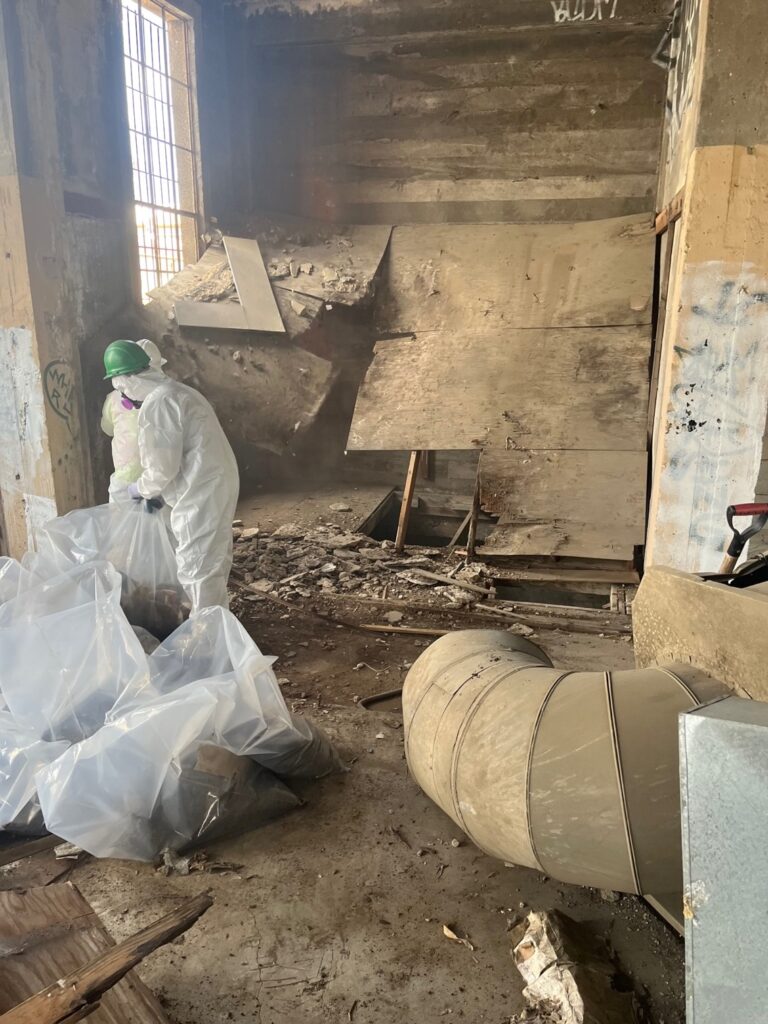
Building demolition requires more than bringing equipment to a property and tearing down a structure. A successful project starts with deciding what must be removed, checking for hazardous materials, securing permits, disconnecting utilities, evaluating structural conditions, planning safety measures, and arranging responsible debris disposal before demolition work begins.
Property owners planning demolition in California should understand these steps before work starts. Careful preparation can help control risks, prevent unexpected delays, protect neighboring properties, and prepare the site for its next use.
Determine Whether Full or Partial Demolition Is Needed
The first decision is whether the entire structure needs to come down or only certain areas need to be removed.
Full demolition may be appropriate when a building has reached the end of its useful life, has significant structural problems, or will be replaced entirely. Partial or selective demolition may work better when a property owner intends to preserve the main structure while remodeling specific spaces.
For example, commercial and industrial interior demolition can involve removing walls, ceilings, flooring, fixtures, mechanical components, or other interior elements while leaving major structural components intact.
Before deciding, consider:
- The condition and future use of the structure
- Which structural components can remain
- Renovation versus replacement costs
- Access for demolition equipment
- Potential hazardous materials
A clearly defined scope also helps contractors estimate labor, equipment, disposal requirements, and project duration more accurately.
Check for Asbestos and Other Hazardous Materials
Hazardous materials must be considered before disturbing an older building. Materials may contain asbestos, lead, mold, PCBs, or other substances that require specialized handling.
EPA asbestos rules require thorough inspections before many regulated demolition or renovation projects. These requirements are intended to reduce the risk of asbestos fibers being released while materials are disturbed.
When asbestos-containing materials are found, asbestos abatement or other appropriate hazardous material abatement may need to occur before structural demolition proceeds. Asbestos removal before demolition can involve containment, controlled removal, packaging, transportation, and disposal according to applicable requirements.
Testing early is important because finding hazardous material after demolition begins can disrupt the schedule and require work to stop while the issue is addressed.
Identify Permits and Regulatory Requirements
Demolition requirements can differ according to the property's location, building type, project size, environmental conditions, and materials involved.
Depending on the project, approvals or notifications may involve:
- City or county building departments
- Local air quality authorities
- Environmental agencies
- Occupational safety requirements
- Waste and hazardous material regulations
- Traffic or right-of-way permits
California property owners should determine applicable requirements before establishing a demolition date. A qualified contractor familiar with local regulations can help identify which permits, inspections, notifications, and supporting documents may be required.
Disconnect Utilities Before Demolition
Active utilities can create serious risks during demolition. Electrical lines can cause electrocution, natural gas can create fire or explosion hazards, and damaged water or sewer connections can create flooding and contamination concerns.
OSHA requires electric, gas, water, steam, sewer, and other service lines to be shut off, capped, or otherwise controlled before demolition begins, subject to provisions for utilities that must remain in operation.
Utility planning should address:
- Electricity
- Natural gas
- Water
- Sewer
- Communications
- Steam or specialized industrial lines
Never assume a utility is inactive simply because a building is vacant.
Evaluate the Building and Site
A pre-demolition evaluation helps identify structural instability and site conditions that can influence the project.
OSHA requires an engineering survey by a competent person before workers begin demolition. The survey considers framing, floors, walls, and the possibility of an unplanned structural collapse. Adjacent structures must also be considered when workers could be exposed to hazards.
Site evaluation may also identify underground utilities, limited equipment access, nearby pedestrian areas, overhead power lines, unstable surfaces, and restricted staging space.
These findings help determine the safest demolition sequence.
Create a Demolition and Safety Plan
A demolition plan establishes how the structure will be taken apart and how identified risks will be controlled.
Important elements can include:
- Sequence of demolition activities
- Equipment and machinery requirements
- Restricted work zones
- Structural stability precautions
- Dust and airborne material controls
- Required personal protective equipment
- Fire prevention procedures
- Emergency and evacuation procedures
- Worker communication and site access controls
OSHA also identifies pre-demolition engineering surveys, utility controls, fire prevention, emergency planning, health-hazard assessments, and appropriate protective equipment as important demolition safeguards.
Plan for Debris Removal and Disposal
Demolition site preparation and debris removal should be planned before demolition begins rather than after debris starts accumulating.
The EPA estimated that the United States generated approximately 600 million tons of construction and demolition debris in 2018, more than twice the amount of municipal solid waste generated that year. Demolition accounted for more than 90% of estimated C&D debris generation.
Common construction and demolition debris includes concrete, steel, wood, drywall, brick, asphalt, glass, and other building materials.
A debris management plan should identify which materials can be separated for recycling or other next uses, which materials will go to permitted disposal facilities, and whether hazardous waste requires separate handling.
Consider the Impact on Surrounding Properties
Demolition activity can create noise, dust, vibration, truck traffic, and temporary changes to property access.
Before work begins, contractors should evaluate nearby buildings, sidewalks, roads, utilities, landscaping, and occupied spaces. Conditions of neighboring structures may also be documented before major demolition starts.
Controls may include barriers, fencing, dust suppression, designated truck routes, controlled working hours, and clearly marked exclusion zones. Planning these measures can reduce disruption while helping workers, visitors, neighbors, and nearby property remain protected.
What Should You Look for When Choosing a Demolition Contractor?
Choosing a contractor involves more than comparing estimates. Property owners should determine whether the contractor has the licenses, training, equipment, experience, and resources appropriate for the project.
Ask potential contractors about:
- Experience with similar building types
- California licensing and applicable certifications
- Hazardous material capabilities
- Safety procedures and planning
- Debris hauling and disposal
- Insurance coverage
- Project scheduling and site coordination
- Regulatory compliance experience
Using integrated building demolition contractor services can be particularly helpful when demolition, abatement, hauling, disposal, and site preparation must be coordinated.
How Does the Building Demolition Process Typically Work?
Although every site is different, the building demolition process generally follows an organized sequence:
- Define the demolition scope and determine whether removal will be full or selective.
- Inspect the building for structural concerns and hazardous materials.
- Secure required permits and notifications from the appropriate agencies.
- Complete asbestos or hazardous material abatement when required.
- Disconnect or protect utilities before structural demolition.
- Establish safety controls and prepare equipment access and work zones.
- Perform demolition according to the planned sequence.
- Sort, remove, and transport debris to appropriate recycling or disposal facilities.
- Clean and prepare the site for construction, redevelopment, or its next planned use.
Careful coordination between these stages can help prevent one part of the project from delaying everything that follows.
Planning a Demolition Project? Contact CAL INC.
Preparation is one of the most important parts of any demolition project. Property owners should establish the demolition scope, investigate hazardous materials, verify permit requirements, disconnect utilities, assess structural conditions, establish a safety plan, and determine how debris will be handled before physical demolition begins.
CAL INC provides demolition and environmental services throughout Northern and Central California and is a California-licensed C-21 demolition contractor. The company also provides asbestos and hazardous material abatement services, allowing multiple phases of complex projects to be coordinated when appropriate.
The company serves communities throughout Alameda County, Oakland, San Jose, Vallejo, Vacaville, San Francisco, Richmond, Contra Costa County, Sacramento, and other areas across California. Property owners preparing for demolition can contact CAL INC to discuss site conditions, project objectives, abatement needs, demolition requirements, and the steps needed to prepare the property safely and efficiently.