
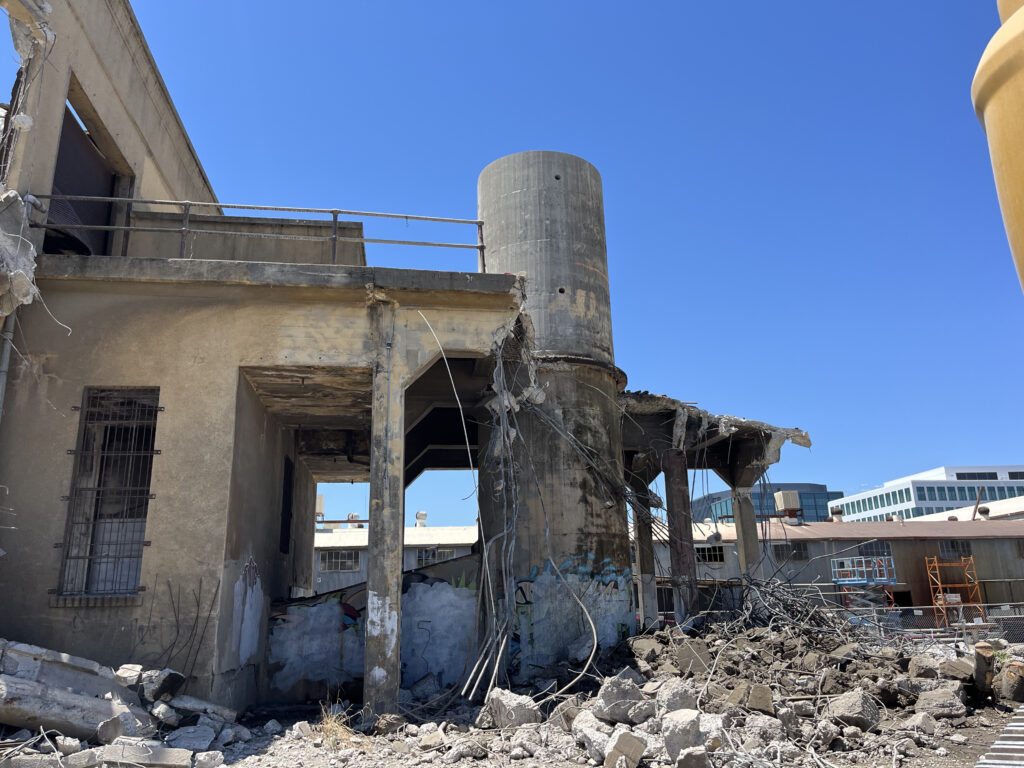
Industrial demolition processes are conducted in a series of very well-regulated steps from conducting initial assessments and surveys for any potentially dangerous materials in the building up to the actual structural tearing down, disposal of the resulting debris and complete site cleanup. This particular order varies depending on the specific building being torn down and its location, but the entire procedure is always carefully organized in order not to endanger adjacent areas or cause any environmental damage.
Beginning With a Comprehensive Site Evaluation
Before any demolition equipment comes onto the job site, an experienced demolition company conducts an extensive site assessment. Unlike residential or light commercial projects, industrial buildings such as chemical plants, factories, power stations, and large warehouses have unique structures and require unique assessments.
The site assessment begins with analyzing load-bearing paths, damage present, and areas of the site where heavy equipment can gain access. Engineers assess how close the building is to neighboring buildings, roads, underground utility lines, and environmentally sensitive areas. As required under Federal OSHA guidelines and Cal/OSHA guidelines, an engineering survey must be conducted before any employees go to work on the job site. The engineers analyze all structural components of each floor and wall to prevent an unexpected building collapse, especially after fire, flood, or explosive damage.
Locating Hazardous Materials Prior to Demolition
Hazardous materials may be found in an industrial plant and require identification prior to mechanical destruction or crushing. The neglect of such hazards leads to the release of airborne particles or even contamination of nearby groundwater.
An environmental survey pinpoints what needs to be tested, contained, or abated:
- Asbestos and lead: Often found in the insulation of thermal pipes, roofing, wall panels, and structural steel surfaces. Pre-demolition asbestos surveys, removal, transportation, and disposal are governed by California regulations.
- Chemicals and heavy metals: Usually found in processing vats, sumps, and pipes in chemical or manufacturing facilities.
- Fuel and oil: Stored in underground storage tanks (UST) or piping systems used for the power generation equipment.
- Mold and biological growth: Present in water-damaged or abandoned commercial properties.
Integrated contractors perform all hazardous materials abatement within their organization so that hazardous materials are removed, contained, and documented before any demolition equipment arrives.
Demolition Plan Design
The process of turning site survey information into an effective demolition plan involves a number of coordinated efforts from a range of stakeholders including property managers, engineers, local municipalities, and safety officers.
Based on project sequencing, a decision will be made whether to demolish the entire structure or selectively deconstruct the interior parts. According to California Code of Regulations Title 8 §1735, all gas, electricity, water, steam, or other utility lines should be shut off, capped, or controlled outside of the building line prior to starting the project. However, in cases where utilities have to be left on during the project for safety or other reasons, they should be clearly marked and protected.
Other important steps in planning include the acquisition of necessary permits. In this regard, for instance, according to Cal/OSHA guidelines, DOSH permit should be obtained prior to the demolition of buildings or structures which exceed 36 feet in height.
Turning the Demolition Plan into Reality
After obtaining the required permits and ensuring site isolation, dedicated teams perform the physical process of demolition using appropriate techniques based on the size and design of the structure. In most cases, selective demolition or soft-stripping of fixtures, non-load bearing walls, wiring, and mechanical pipework will precede the structural demolition process. This helps in separating reusable items from those that are not.
For structural demolition, the contractor utilizes state-of-the-art equipment to perform the work:
- Excavators equipped with special attachments: High-reach excavators systematically demolish upper floors from above.
- Hydraulic shear and crusher: These powerful shears cut through structural beams and pipe bridges, and the concrete is broken by the hydraulic crushers without generating unnecessary vibration of the ground.
- Breakers and grapples: Used in the processing of rubble in trsansportation.
Sorting, Transport and Management of Demolition Wastes
Demolition by mechanical means produces many tons of material that have to be managed in an orderly fashion. Today’s construction sites operate as sorting stations to sort clean and recyclable material from hazardous wastes.
Concrete and masonry waste is crushed on-site to produce aggregate, which can then either be used on-site for backfill or elsewhere. Ferrous metal is separated using magnetic separators, while other metals such as copper and brass are manually sorted. Hazardous scrap is sent to processing facilities while non-recyclable structural waste is transported via dump trucks and rollover containers.
If there is post-disaster restoration work or contamination with hazardous materials, special debris cleanup services are responsible for handling them properly.
From Demolition Site to Usable Property
Demolition is only half the work. The process of restoring the property to the owner needs sub-surface clearance, soil tests, and excavation works.
Professional demolition companies do excavation of concrete slabs, deep foundations, grade beams, and utility vaults according to the requirements of future redevelopment. Environmentalists check the condition of the soil and water under the ground to make sure that there are no toxic substances left from past activities and construction materials.
Lastly, the company fills up the excavated sub-soil area, grades the site and compacts the soil to the required density standards. Transfer of the property means providing all necessary documents regarding recycling, landfilling, and clearance of the soil.
What Are the Factors That Could Impact Demolition Timing and Cost?
Each industrial facility will not provide the same work environment. There are some site-related factors that determine the timing and cost estimates:
- Size and structural makeup: Reinforced concrete and structural steel need larger machines and longer processing time compared to light frame structures.
- Degree of hazardous substances: Abatement of extensive asbestos insulation and contamination by chemicals means additional phases of preparation before the actual structural demolition work starts.
- Accessibility and location: Conducting operations in a dense urban area or alongside industrial facilities means slow and controlled deconstruction to avoid excessive noise and vibration.
- Permits and regulations: Timing of obtaining DOSH permits and air quality management might have an impact on timing.
- Debris removal and salvaging: High price of scrap metal helps in covering project cost through salvaging, whereas complicated waste disposal leads to higher transportation costs.
Selecting a Demolition Contractor for Your Facility
It is important to select a company that has both extensive technical capabilities and a solid safety record.
When assessing prospective firms, use this list as guidance:
- Licenses & Bonding: Determine whether or not a contractor is licensed by the state, like a California C-21 Demolition License, adequate bonding, and proper insurance coverage.
- Safety Record: Assess the contractor’s safety record with regards to its Cal/OSHA and Experience Modification Rates (EMR) record.
- Integrated Services: Firms that offer structural removal services along with their own hazardous material abatement, hauling and waste management services eliminate coordination problems and minimize liabilities.
- Equipment & Fleet: Ensure that a firm utilizes specialized machinery, such as long reach excavators, hydraulic attachments, and other equipment suited to industrial applications.
- Local Expertise: Select a company that has successfully managed industrial, chemical, assembly and power generation plants.
CAL INC, which provides comprehensive demolition and clean-up services for over 30 years, is a fully licensed and bonded California State C-21 Demolition Contractor.